
Primer or Sunscreen First? Tips for Preparing Your Skin to Make Your Makeup Last Longer
โพสต์เมื่อ : 24 ธ.ค 2568 เวลา 10:15 น.
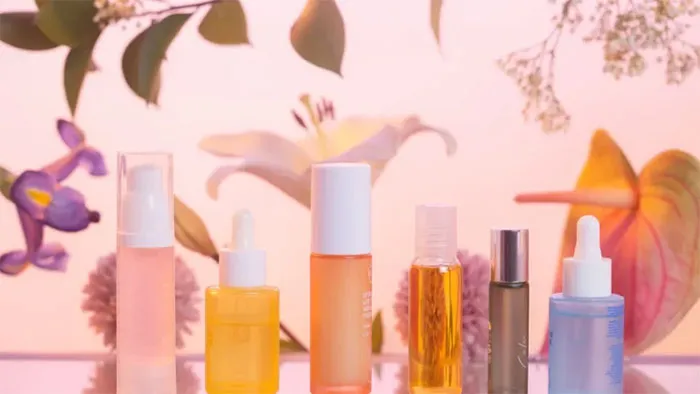
Primer
Should You Apply Primer or Sunscreen First? How to Prepare Your Skin for Long-Lasting Makeup
Primer or Sunscreen First? Tips for Preparing Your Skin to Make Your Makeup Last Longer
What Is a Primer?
A primer is a product applied before makeup to prepare the skin and create a smooth base while helping makeup last longer. It acts as an essential base layer that minimizes the appearance of pores and reduces excess oil on the skin. In addition, primers can help address various skin concerns such as redness, fine lines, and uneven texture, allowing makeup to look more natural and flawless.
Types of Primers
Primer for Oily Skin
- Primers for oily skin are specifically designed to control excess oil and reduce sebum production, which can contribute to clogged pores. Using this type of primer helps makeup stay in place throughout the day without becoming shiny or fading easily. It may also help prevent breakouts caused by excess oil.
Primer for Dry Skin
- For dry skin, hydrating primers help keep the skin looking healthy and minimize flaking or cracking of makeup. They allow makeup to appear smoother and prevent patchiness or creasing throughout the day. These primers often contain moisturizing ingredients such as Hyaluronic Acid.
Primer for Combination Skin
- Combination skin requires targeted care. Primers for combination skin are formulated to control oil in specific areas, such as the T-zone (forehead, nose, and chin), while providing hydration to drier areas like the cheeks. This type of primer helps create a balanced complexion and ensures long-lasting makeup across the entire face.
Primer for Acne-Prone Skin
- For those with acne-prone skin, these primers often contain ingredients that help reduce inflammation and prevent additional breakouts. They can also help conceal acne marks and prevent clogged pores, reducing the risk of developing new blemishes after applying makeup.
How to Choose the Right Primer for Your Skin Type
Choosing the right primer should primarily depend on your skin type, as follows:
- Oily Skin: Look for a primer that controls oil and minimizes clogged pores.
- Dry Skin: Choose a primer with moisturizing ingredients such as Hyaluronic Acid.
- Combination Skin: Select a primer that controls oil in targeted areas while providing hydration to dry areas.
- Acne-Prone Skin: Choose a primer that helps reduce acne inflammation and conceal blemishes. Additionally, check the ingredients to match your specific skin concerns, such as silicone-based formulas for oil control, or select a primer that complements your skin tone and makeup style.
How to Use Primer Correctly
Steps for Applying Primer
- Start by cleansing your face thoroughly and moisturizing your skin.
- Apply sunscreen before primer to protect your skin from UV rays.
- Apply primer evenly across the face, focusing on areas with enlarged pores, such as around the nose or forehead.
- Allow the primer to dry completely before applying foundation or other makeup products.
Tips for Getting the Best Results from Your Primer
- Use an appropriate amount of primer and spread it evenly across the face without applying too much or too little.
- Blend the primer thoroughly to create an even and smooth complexion.
- Choose a primer with additional benefits based on your needs, such as anti-aging primers or brightening primers, to achieve a radiant complexion and prepare your skin for makeup application.
Frequently Asked Questions About Primer (FAQ)
- How important is primer for makeup? Primer is an essential step that prepares the skin and helps makeup last longer by reducing the chances of makeup fading or flaking throughout the day.
- Can primer be used together with sunscreen? Yes. Apply sunscreen first, followed by primer, to ensure your skin is protected and properly prepared for makeup.
- Does primer really make makeup last longer? Yes. Primer acts as a base that helps makeup adhere to the skin for an extended period, especially in hot or humid conditions.