
Snow Algae Extract
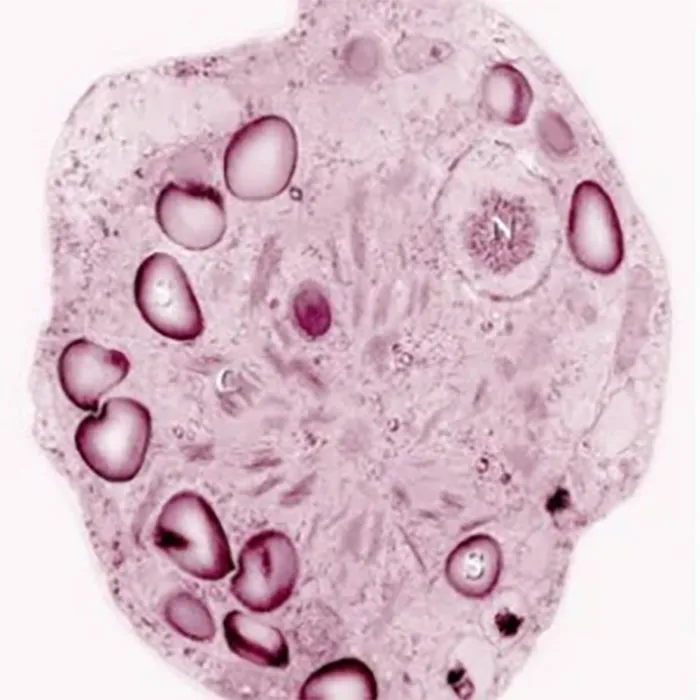
Snow Algae Scientists have discovered that cells can live longer when they receive a limited and appropriate amount of calories. Snow Algae was therefore developed with a mechanism that regulates calorie intake at the skin cell level, helping skin cells maintain a longer lifespan.
Snow Algae Production Process : At the cellular level, Snow Algae works by regulating 2 key factors that affect the amount of calories available to the skin:
- Klotho Longevity Gene
- AMPK energy sensor
Through its calorie-regulating mechanism at the skin cell level, Snow Algae promotes increased collagen synthesis and regulates the amount of MMP, an enzyme that breaks down collagen.
A study using 2% Snow Algae in a water-based gel, applied twice daily for 2 months, involving 5 Caucasian female participants aged between 55-67 years, found that Snow Algae helped strengthen and increase the thickness of the DEJ (Dermal-Epidermal Junction) by an average of up to 30.5%. The DEJ is important for the structure of the skin, helping the skin remain firm and maintain good elasticity.
A study involving 21 male and female participants aged between 30-57 years to evaluate TEWL (Transepidermal Water Loss) found that 3% Snow Algae helped improve skin hydration by reducing TEWL, or the rate of water loss from the skin. It also helped reduce age spots caused by aging.
Usage : For anti-wrinkle products in the form of gels, serums, lotions, or creams
Usage Rate : 1-4% (2-3% recommended)
Product Appearance : White to pale yellow powder
INCI Name : Hesperidin Methyl Chalcone